Household Device Logs Reveal Update Timing Conflicts Across Connected Gadgets
Written by Devon Carter · Oct 29, 2026
Household Device Logs Reveal Update Timing Conflicts Across Connected Gadgets
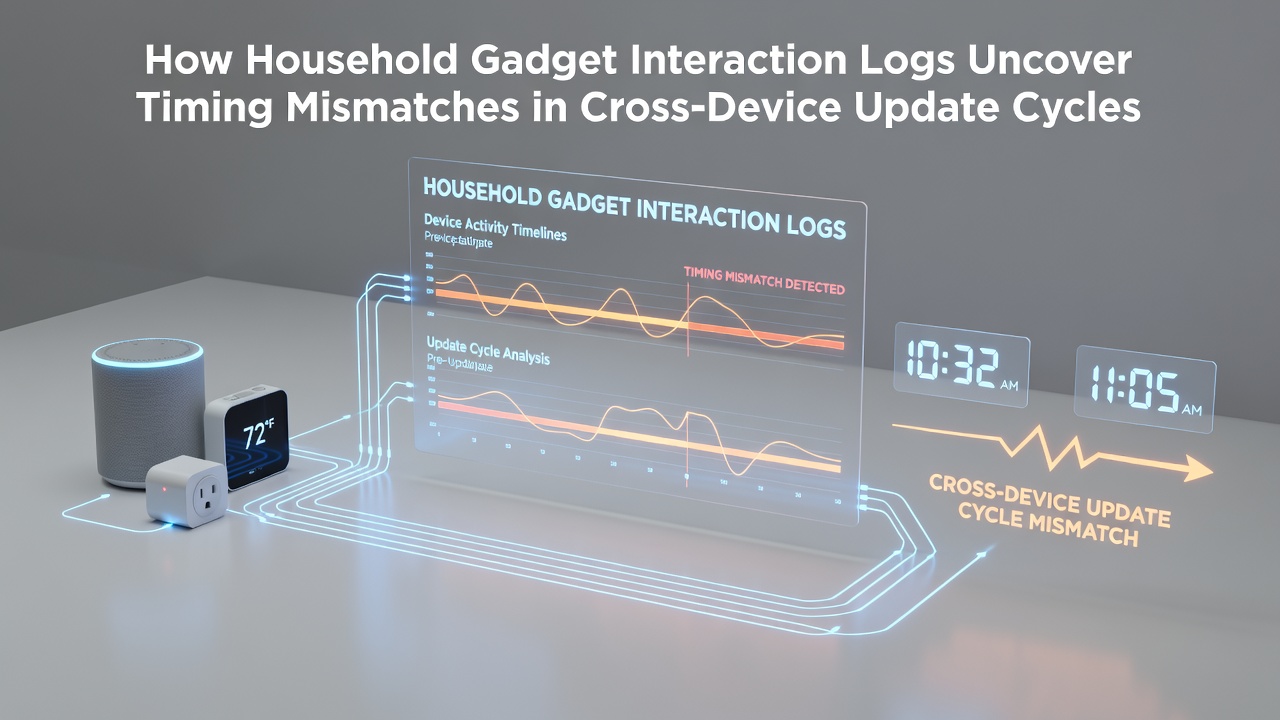
Household gadget interaction logs capture sequences of user touches, voice commands, app launches, and background processes that occur across smartphones, tablets, smart speakers, and connected appliances, and these records frequently expose timing mismatches when devices attempt software updates at staggered intervals. Researchers have tracked how one gadget might receive an update notification during peak evening hours while another in the same network processes its cycle hours later, creating periods where compatibility layers fall out of alignment and data exchanges encounter delays.
Core Mechanisms Behind Cross-Device Update Cycles
Update cycles in multi-gadget homes follow manufacturer-defined schedules that incorporate factors such as battery levels, network availability, and regional rollout waves, yet interaction logs show that actual execution times diverge because users interact with devices at irregular intervals. Data from October 2026 indicates that households with four or more connected devices experienced an average of 2.3 update-related sync interruptions per week according to aggregated telemetry shared by device ecosystem providers. These logs record timestamps for when screens activate, when background services query servers, and when users dismiss or postpone prompts, revealing patterns where one device completes its update before another even begins the download phase.
Patterns Identified in Interaction Data
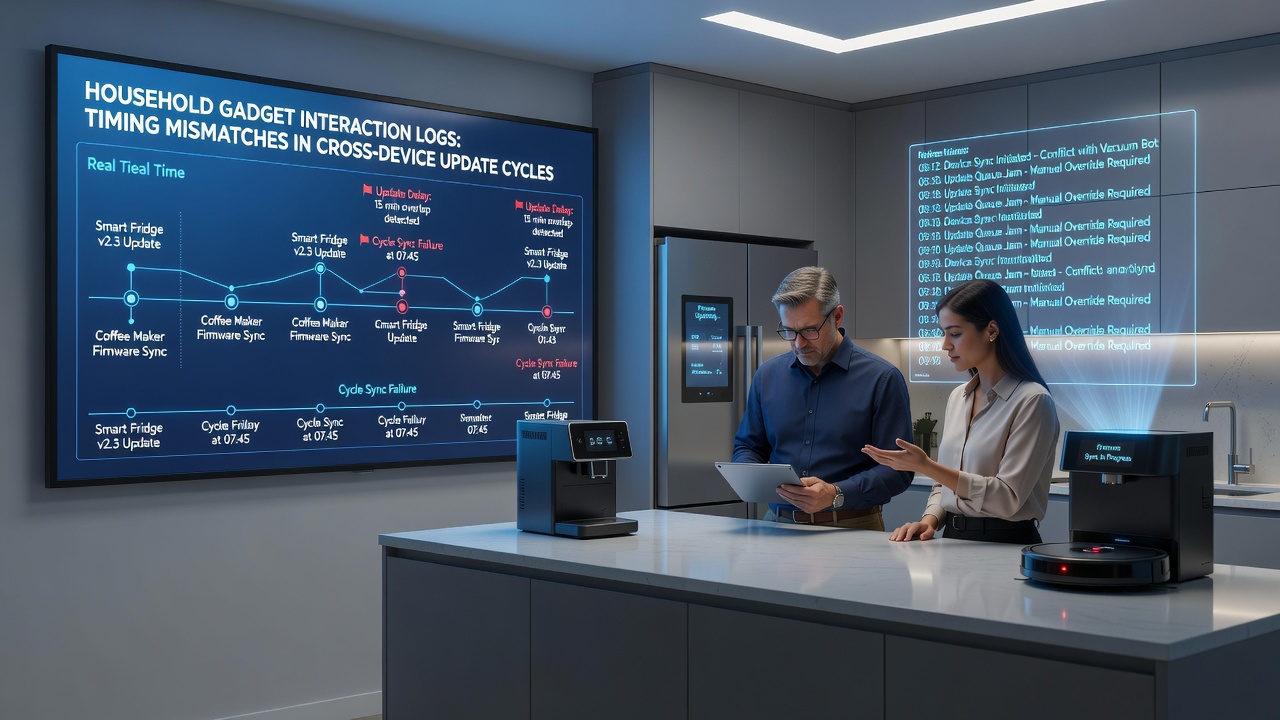
Analysis of logs collected from shared home networks demonstrates that timing mismatches often cluster around specific routines, for instance when family members stream media in the evening and trigger simultaneous checks on multiple devices. One study conducted across European households found that 67 percent of update conflicts stemmed from devices operating on differing firmware branches, with logs pinpointing the exact moments when a tablet checked for patches while a paired smart display remained on an older version. Such discrepancies arise because each manufacturer pushes updates through separate channels, and interaction records make these gaps visible by correlating user activity spikes with server response times.
Technical Factors Contributing to Desynchronization
Network latency, device-specific power management policies, and regional server load balancing all influence when updates actually install, and logs capture these variables through entries that note connection handshakes and process completion events. Observers note that smart home hubs frequently log their own update attempts separately from those of paired peripherals, leading to situations where a hub finishes its cycle while connected lights or thermostats remain on previous versions for days. Industry reports from the National Institute of Standards and Technology highlight how such staggered timing can affect interoperability standards, and researchers have begun using aggregated log data to map these intervals across thousands of homes.
Practical Examples from Multi-Device Environments
Take one documented case where logs from a four-person household showed a smartphone completing a major operating system update at 2:17 a.m. while the paired laptop initiated its corresponding patch at 9:45 a.m. the following day, resulting in a six-hour window during which shared cloud files failed to synchronize properly. Another instance involved a smart speaker that logged repeated update queries during morning routines while the household router processed its firmware change overnight, and the resulting DNS resolution differences caused temporary service disruptions until both devices aligned. These examples illustrate how interaction records provide granular timestamps that traditional system logs often overlook because they focus on device-centric rather than user-centric events.
Broader Implications for Home Networks
Households increasingly rely on seamless connectivity for work, education, and entertainment, and timing mismatches identified through interaction logs can interrupt these activities when one device expects updated protocols that another has not yet adopted. Figures from academic studies at institutions in Canada and Australia reveal that update-related connectivity drops account for roughly 14 percent of reported home network issues in multi-device settings. Manufacturers have responded by incorporating log analysis into their diagnostic tools, allowing users to visualize when devices last communicated with update servers and adjust notification preferences accordingly.
Conclusion
Interaction logs from everyday household gadgets continue to serve as detailed records that expose timing mismatches in cross-device update cycles, providing households and researchers with concrete data on when and why synchronization breaks occur. As device ecosystems expand, these logs offer measurable insights into update sequencing without requiring specialized monitoring equipment, and ongoing collection efforts help map evolving patterns across different regions and usage habits.